Common Mistakes Homeowners Make With DIY Hardwood Floor Installation
Homeowners seeking to avoid common mistakes with DIY hardwood floor installation can benefit from local contractors who specialize in expert installation and quality craftsmanship.
Homeowners considering a DIY hardwood floor installation often face a variety of challenges that can impact the final result. Common mistakes include underestimating the importance of proper subfloor preparation, choosing the wrong type of hardwood, or failing to account for expansion gaps and acclimation time. These errors can lead to issues such as uneven surfaces, gaps, or even long-term damage that may require costly repairs. For property owners in the area exploring this project, understanding these pitfalls highlights the value of working with experienced local contractors who can help ensure the job is done right the first time.
Engaging with skilled service providers can make a significant difference in avoiding these common mistakes. Local contractors bring practical knowledge of the area's specific conditions and can provide guidance on the best materials and installation techniques. Whether homeowners are seeking advice or looking to have the work professionally handled, connecting with reputable local pros offers a dependable way to achieve a durable, attractive hardwood floor. Keep reading to discover how expert assistance can help prevent common pitfalls and deliver a lasting result for your home.
- Hardwood floor installation - homeowners may need professional help when uneven subfloors cause difficulties during installation, and local contractors can properly prepare the surface.
- Hardwood floor installation - improper acclimation of wood planks can lead to warping or gaps, which local service providers are experienced in preventing through proper storage and handling.
- Hardwood floor installation - mistakes in measuring and layout planning often result in waste or awkward cuts, making it beneficial to work with local pros skilled in precise measurements.
- Hardwood floor installation - DIYers may overlook the importance of correct underlayment, which local contractors can recommend and install to ensure stability and longevity.
- Hardwood floor installation - failure to follow manufacturer guidelines can cause issues with finish and durability, which local service providers are familiar with to ensure proper installation.
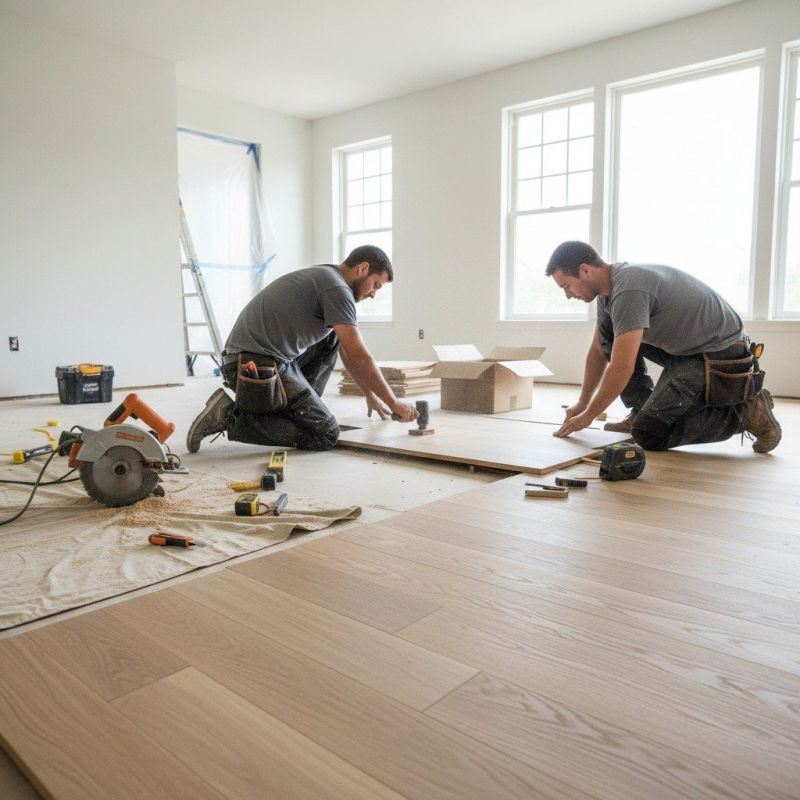

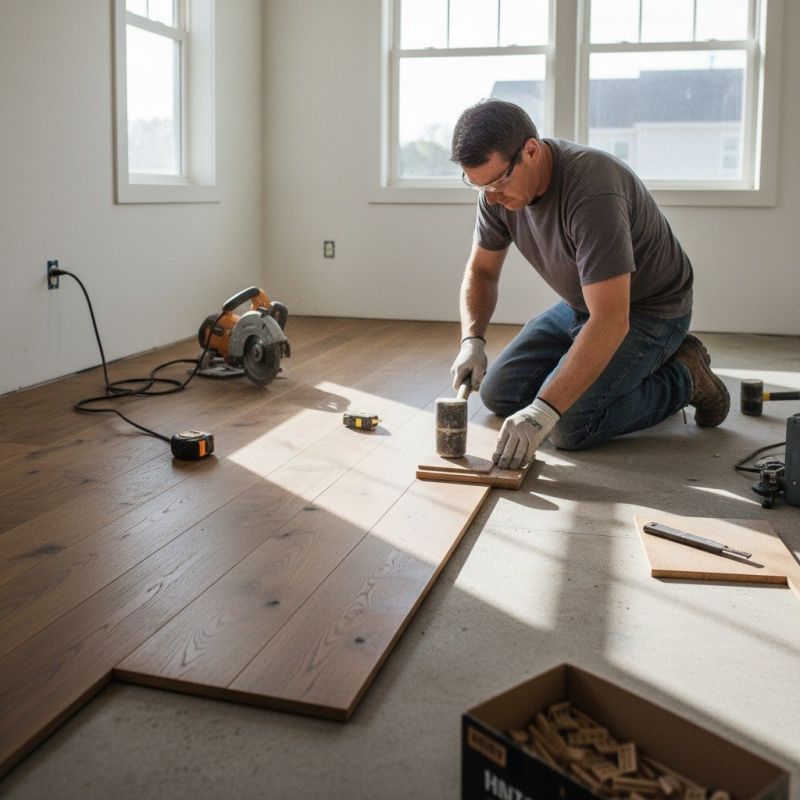
When homeowners search for information on common mistakes with DIY hardwood floor installation, they often mean to avoid costly errors that can compromise the appearance and durability of their floors. This topic typically relates to plans for upgrading or renovating residential properties, especially those with existing hardwood or subflooring that needs to be prepared properly. Many homeowners are considering doing the installation themselves to save money or for personal satisfaction, but they may lack experience with the intricacies involved in laying hardwood flooring correctly. Understanding these common pitfalls helps homeowners recognize when professional help is advisable to ensure the project’s success and long-term performance.
The types of problems associated with DIY hardwood floor installation often stem from overlooked details or improper techniques. Common issues include uneven subfloor preparation, incorrect acclimation of the wood, and improper installation methods that lead to gaps, buckling, or squeaking over time. These mistakes can result from rushing the process or not understanding the specific requirements of different hardwood types and installation environments. Homeowners with plans for properties ranging from small condos to larger single-family homes may encounter these challenges, especially if they are unfamiliar with the tools, materials, and best practices necessary for a professional-quality finish.
Properties that frequently come up in discussions about DIY hardwood flooring projects tend to be residential homes, particularly those with existing wood or subflooring that requires careful preparation. Older homes with uneven surfaces or moisture issues are especially prone to installation problems if not addressed properly. Additionally, properties with open floor plans or multiple rooms may pose logistical challenges that inexperienced homeowners find difficult to manage on their own. For these projects, local contractors with experience in hardwood floor installation can provide valuable guidance, ensuring proper subfloor preparation, material selection, and installation techniques that align with the specific needs of each property.
Understanding how common mistakes relate to real projects helps homeowners see the value in consulting local service providers for hardwood floor installation. These professionals bring expertise in assessing property conditions, recommending suitable materials, and executing precise installation methods. This reduces the risk of mistakes that can lead to costly repairs or premature floor failure. Whether dealing with a new build, a renovation, or an upgrade in a single-family home or multi-unit property, connecting with experienced local pros ensures the project is completed efficiently and to a high standard. Proper installation not only enhances the aesthetic appeal but also extends the life of the flooring, making professional assistance a worthwhile consideration for homeowners aiming for a durable, beautiful result.
Flooring Underlayment Installation - proper underlayment techniques are essential for hardwood flooring, and local contractors can ensure correct placement to prevent issues like uneven surfaces or squeaks.
Subfloor Preparation Projects - preparing and leveling subfloors is a critical step in hardwood installation, and experienced service providers can help avoid common mistakes related to uneven or unstable surfaces.
Floor Repair and Refinishing - refinishing existing hardwood floors involves skills similar to installation, with local pros capable of addressing surface imperfections and preparing the floor properly.
Custom Flooring Design and Layout - planning the layout and pattern of hardwood floors requires precise measurement and planning, which local flooring specialists can assist with to prevent installation errors.
Floor Transition and Threshold Installation - installing transitions between different flooring types or rooms involves careful planning and tools, similar to hardwood installation, to ensure smooth and secure connections.
Subfloor Adhesive and Fastening Techniques - applying adhesives and fastening methods correctly is vital for hardwood stability, and local service providers are skilled in proper application to avoid common installation mistakes.
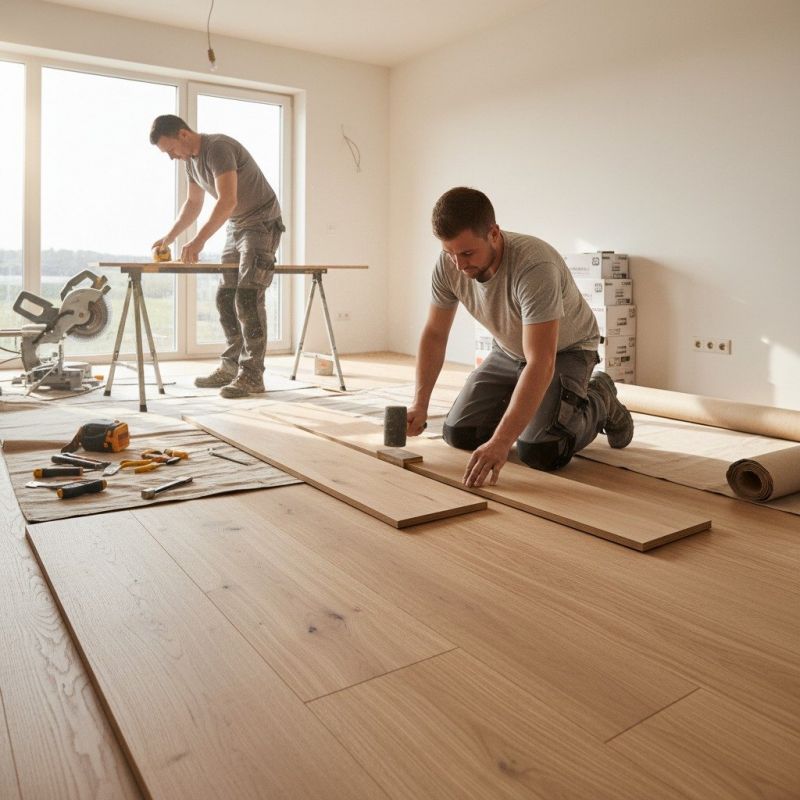
When evaluating local contractors for hardwood floor installation, it’s important to consider their experience with similar projects. Homeowners should inquire about the types of flooring jobs they have completed and whether they have handled projects comparable in size and scope. A contractor with a proven track record in hardwood flooring can better anticipate potential challenges and ensure the job is done correctly the first time, reducing the risk of common mistakes homeowners make with DIY hardwood floor installation.
Clear, written expectations are essential to a successful flooring project. Homeowners should seek service providers who can provide detailed proposals outlining the scope of work, materials to be used, and the timeline for completion. Having this information in writing helps prevent misunderstandings and ensures everyone is aligned on project goals. It also serves as a useful reference throughout the process, helping to avoid miscommunications that can lead to errors or delays.
Reputable references and good communication are key indicators of a reliable service provider. Homeowners are encouraged to ask for references from past clients and to verify the quality of previous work. Additionally, choosing local contractors who are responsive and transparent during initial conversations can make a significant difference. Effective communication ensures questions are answered promptly and expectations are managed appropriately, which can help prevent common mistakes associated with DIY hardwood floor installation by fostering a collaborative and informed approach to the project.
Property owners often search for common mistakes homeowners make with DIY hardwood floor installation when they are planning practical projects around their homes and businesses. Local pros provide Hardwood Floor Installation services for everyday jobs and straightforward project options.
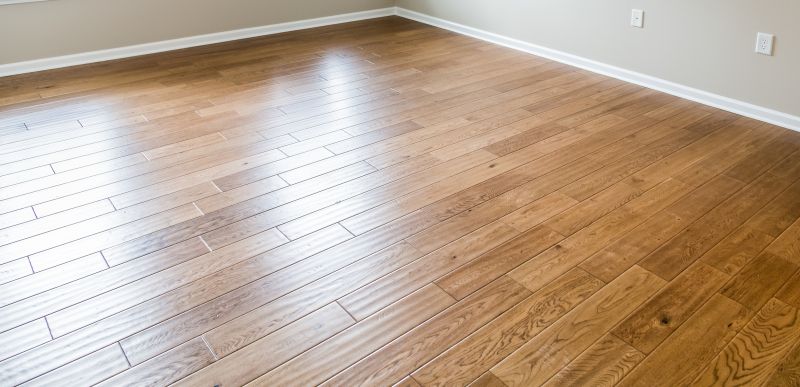
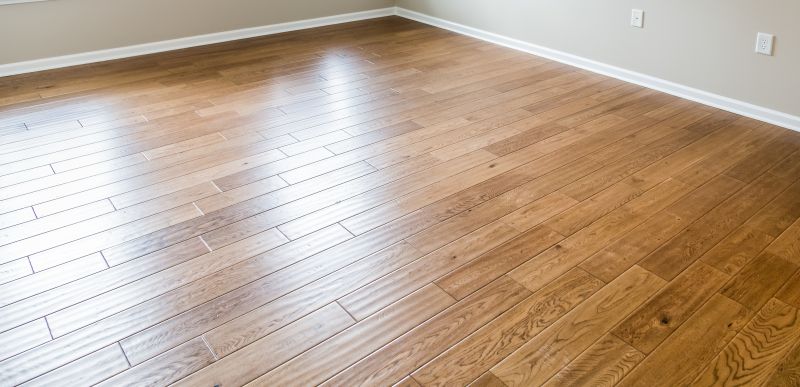
Many homeowners attempting DIY hardwood floor installation often overlook the importance of proper surface preparation. Skipping steps like cleaning and leveling the subfloor can lead to uneven surfaces, resulting in gaps, buckling, or squeaking over time. These common mistakes with DIY hardwood floor installation highlight why many property owners in the area seek the expertise of local contractors who have the experience to ensure a smooth, durable finish from the start.
Another frequent issue is improper acclimation of the hardwood planks before installation. Failing to allow the wood to adjust to the home's humidity and temperature can cause the flooring to expand or contract after installation, leading to warping or gaps. Recognizing these pitfalls, many property owners choose to work with local service providers who can handle the necessary preparation and installation steps, helping to avoid costly mistakes and achieve a professional-looking result.
What is a common mistake homeowners make when preparing the subfloor for hardwood installation? Many homeowners overlook the importance of ensuring the subfloor is clean, level, and dry, which can lead to uneven flooring and gaps. Hiring local contractors can ensure proper subfloor preparation for a smooth, durable finish.
Why is choosing the wrong type of hardwood flooring a mistake in DIY installation? Selecting the incorrect hardwood for the home's environment or usage can cause warping or damage. Experienced local service providers can recommend and install the best flooring options for specific conditions.
How does improper acclimation affect hardwood floor installation? Failing to acclimate hardwood planks to the indoor environment can result in expansion or contraction after installation. Professional installers know how to properly acclimate materials to prevent future issues.
What mistake is often made when installing hardwood flooring without proper expansion gaps? Not leaving adequate expansion gaps around the perimeter can cause buckling or cupping as the wood expands and contracts. Local contractors are familiar with the necessary spacing requirements.
Why is neglecting to use proper installation techniques a common mistake? DIYers may skip or improperly perform steps like nailing, gluing, or staggering planks, leading to weak spots or uneven surfaces. Skilled local service providers follow best practices for a secure, long-lasting installation.
Skipping proper subfloor preparation - ensuring the subfloor is clean, level, and dry helps prevent future issues like buckling or gaps, and local contractors can handle this crucial step.
Using incorrect or low-quality materials - choosing the right hardwood and underlayment materials is essential for durability, and experienced service providers can recommend suitable options.
Neglecting acclimation of hardwood flooring - allowing the wood to adjust to indoor conditions before installation reduces warping and gaps, a process that local pros can manage effectively.
Improper installation techniques - avoiding mistakes like incorrect nailing or staggering planks can lead to uneven surfaces, which professional installers are equipped to prevent.
If you are thinking about common mistakes homeowners make with DIY hardwood floor installation for a property, this guide is meant to help you understand this topic, the typical project types, and how different options might fit your plans.
When you are ready, you can use the quote form on this page to share a few details about your project. From there, local pros can review the basics and follow up with options that match what you have in mind.